
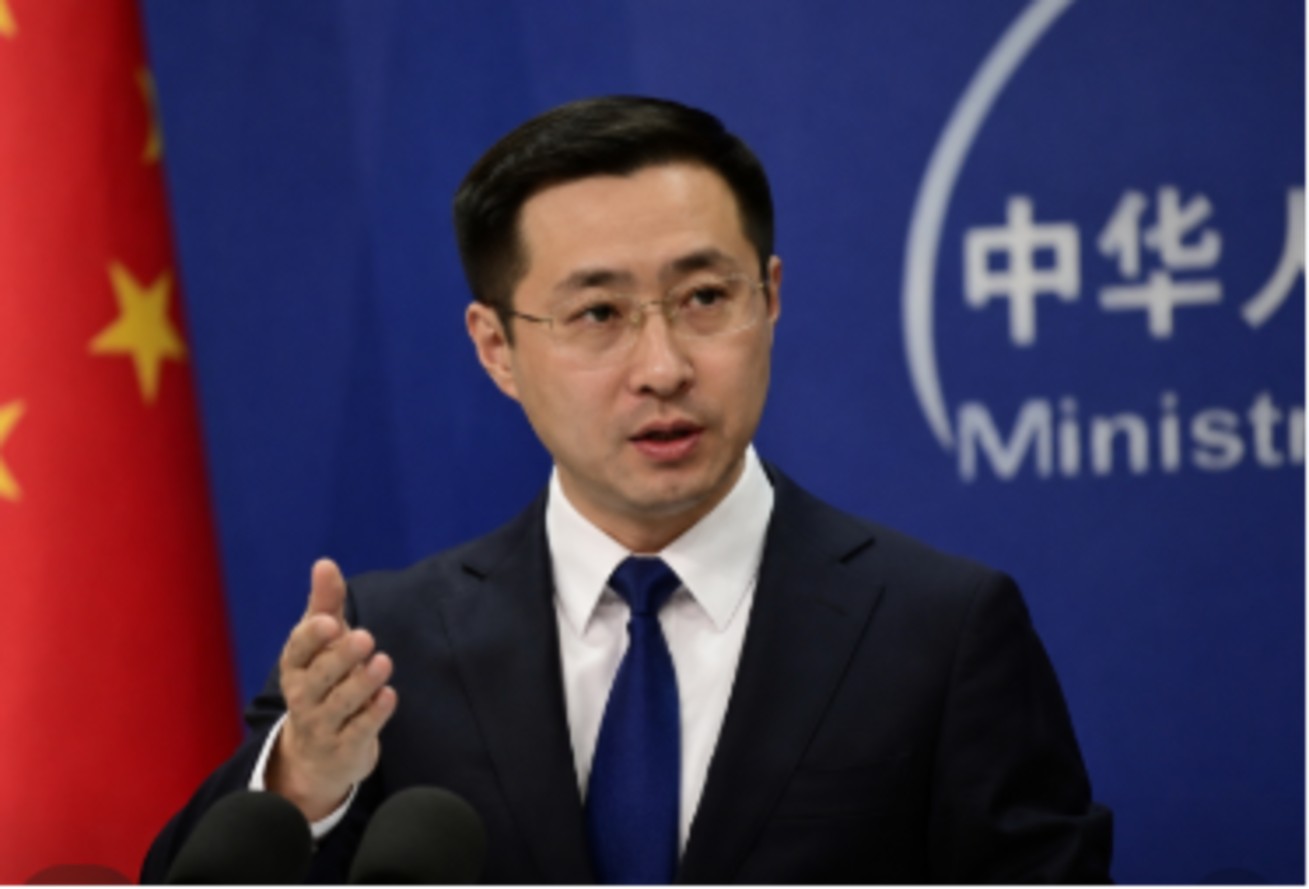
China has expressed strong disapproval of a proposed sanctions bill from the United States, which targets key purchasers of Russian oil and natural gas. The Chinese government has vowed to take all necessary actions to safeguard the legitimate rights and interests of its corporations. This stance was articulated by Lin Jian, the spokesperson for China’s Foreign Ministry, who underlined the country’s opposition to sanctions that lack a foundation in international law or authorization from the United Nations Security Council.
The U.S. legislation in question aims to penalize the largest global buyers of Russian crude oil and natural gas, a list that includes China. Such measures have been criticized by Beijing as unilateral coercion that could have adverse effects. Lin Jian emphasized that the use of double standards and coercive tactics would ultimately be detrimental, reaffirming China’s resistance to what it perceives as unlawful unilateral sanctions.
China’s response to the proposed U.S. sanctions highlights the broader geopolitical tensions concerning international trade and energy resources. As one of the world’s largest importers of Russian energy products, China’s economic interests are directly impacted by the U.S. legislative initiative. The proposed sanctions, if enacted, could potentially disrupt the energy trade dynamics and have significant implications for international relations and global energy markets.
In defending its stance, China has reiterated its commitment to international norms and the authority of the United Nations Security Council in sanction-related matters. The Chinese government continues to advocate for multilateral approaches to international issues and criticizes what it sees as attempts to exert unilateral pressure through economic means.
As the global community watches closely, the developments around this proposed U.S. sanctions bill will likely influence diplomatic interactions and economic policies between the involved nations. China’s firm opposition signals its readiness to protect its economic interests while challenging the unilateral actions proposed by the United States.