
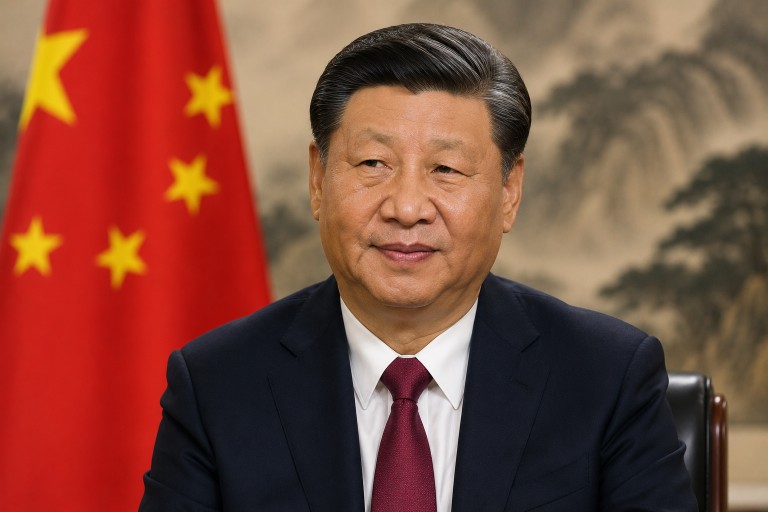
During the 26th Meeting of the Council of Heads of State of the Shanghai Cooperation Organization (SCO) held in Bishkek, Kyrgyzstan, on September 1, Chinese President Xi Jinping emphasized the importance of development and security as primary objectives for the organization. Xi urged the SCO to focus on fostering dialogue, cooperation, and regional stability, aiming to promote shared prosperity and enhance the security environment in the region. He also called for the member states to support more equitable global governance and to stand against unilateralism and confrontation.
Xi underscored the progress that the SCO has made over its 25-year history, highlighting the principles that have guided the organization, such as mutual trust, mutual benefit, equality, consultation, and respect for diverse civilizations. He advocated for increased collaboration in areas like trade, investment, connectivity, energy, and resources. Xi also emphasized the potential for cooperation in emerging sectors, including artificial intelligence, the digital economy, and green industries, to drive future growth and innovation within the member states.
Addressing security concerns, Xi called on SCO members to coordinate their efforts to tackle both traditional and nontraditional threats, thereby enhancing regional stability. He expressed China’s readiness to collaborate with other members in promoting a comprehensive, sustainable approach to security aligned with the common interests of the organization.
At the summit, SCO leaders endorsed the significant development and achievements of the organization over the past quarter-century. They emphasized the need for continued cooperation to maintain regional peace, stability, and prosperity. The summit concluded with the adoption of the Bishkek Declaration, along with a series of agreements that outline cooperation in various fields, including security, economic, cultural, and organizational domains.