
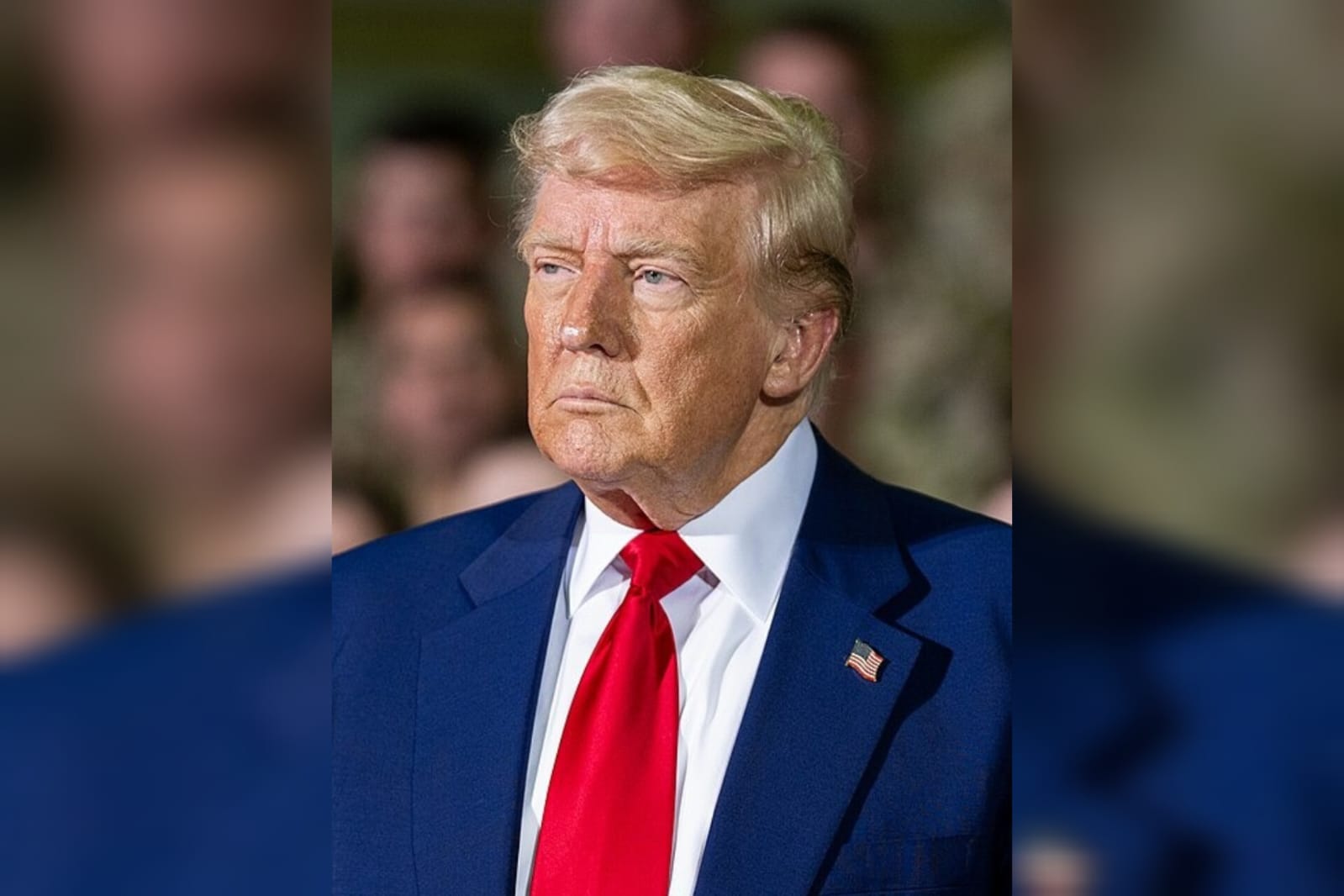
In a significant diplomatic development, U.S. President Donald Trump and Iranian President Masoud Pezeshkian have signed a 14-point agreement, aiming to ease tensions and avert global economic instability. Central to this accord is the reopening of the Strait of Hormuz, a vital artery for global oil shipments. This agreement launches a 60-day negotiation period intended to pave the way for a more comprehensive and enduring resolution to ongoing issues.
Key elements of the agreement include Iran’s commitment to reopen the strategic maritime passage and engage in discussions regarding its nuclear program. In exchange, the United States will lift certain sanctions, enable the export of Iranian oil, release billions in frozen Iranian assets, and endorse broader economic initiatives to aid Iran’s economic recovery. Additionally, the agreement sets the stage for talks on diminishing Iran’s stockpile of highly enriched uranium, all under international oversight.
President Trump has championed the agreement as a crucial step in preventing broader conflict and stabilizing the global economy. He emphasized that reopening the Strait of Hormuz would provide stability to energy markets and mitigate risks to international shipping lanes. Although Gulf nations may be involved in investing in Iran’s reconstruction, Trump clarified that the United States would not be financially involved in these efforts.
The agreement has elicited a range of reactions. Proponents argue that it reduces regional tensions, enhances global energy security, and lays the groundwork for more extensive negotiations on Iran’s nuclear program. Critics, however, contend that the deal offers substantial economic relief to Iran without securing significant commitments on its ballistic missile program or its regional influence, potentially granting Tehran financial and strategic gains.
Further commitments within the agreement aim to curtail regional hostilities. Iran has vowed not to pursue nuclear weapons and to maintain restraint through its regional allies. Future negotiations are set to address unresolved matters, such as missile development and broader security issues in the Middle East. Both nations have hailed the agreement as a pivotal milestone, though its ultimate success hinges on the outcomes of the impending negotiations.