
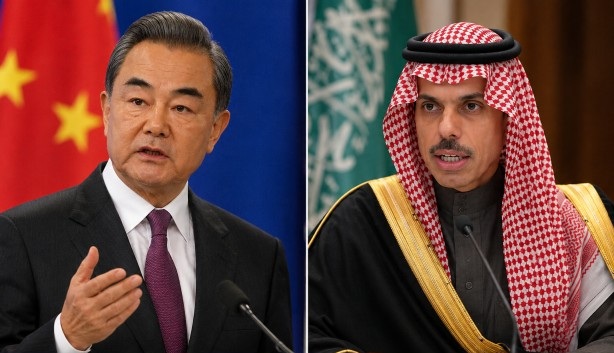
China has urged both the United States and Iran to persist in their negotiations and steer clear of further escalating tensions, asserting that dialogue remains the most effective avenue for resolving regional disputes. Chinese Foreign Minister Wang Yi highlighted the fragile nature of the current ceasefire, emphasizing that negotiations are preferable to conflict. He also indicated China’s willingness to collaborate with Saudi Arabia to ease tensions and promote enduring stability in the region.
In a recent meeting with Saudi Foreign Minister Prince Faisal bin Farhan held in Beijing, both countries underscored the vital importance of keeping the Strait of Hormuz open. This strategic waterway is crucial for global energy supplies, as a substantial portion of the world’s oil and gas shipments traverse this region.
The reopening of the Strait of Hormuz has emerged as a significant topic in the ongoing discussions between Iran and the United States, following disruptions in shipping activity due to heightened tensions. Given China’s heavy reliance on energy supplies from the Gulf region, the nation has consistently advocated for a peaceful resolution to these issues.
During the talks, both Chinese and Saudi officials also focused on enhancing cooperative efforts in various sectors, including trade, investment, energy, technology, and supply chains. Additionally, they discussed broader initiatives aimed at bolstering regional security.
China’s call for calm and continued dialogue reflects its strategic interest in maintaining stability in a region that plays a pivotal role in global energy markets. By engaging with Saudi Arabia and encouraging negotiations between the U.S. and Iran, Beijing is positioning itself as a proactive player in seeking long-term peace and cooperation.