
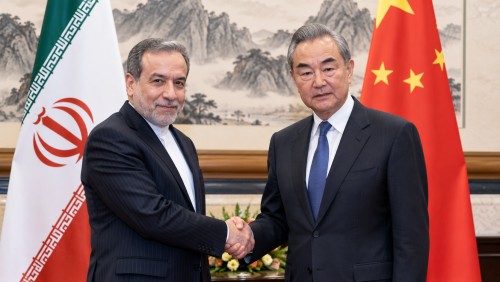
The ongoing tensions between Iran and the United States took a diplomatic turn as Chinese Foreign Minister Wang Yi called for restraint and a return to negotiations, emphasizing the global impact of the conflict. During talks in Beijing with Iranian Foreign Minister Abbas Araghchi, Wang highlighted the importance of maintaining stability in the Strait of Hormuz, a vital waterway for international energy supplies and shipping routes.
Wang stressed that continued hostilities between Washington and Tehran could derail not only the interests of the involved nations but also those of the international community. He urged both countries to adhere to their current memorandum of understanding and to resume dialogue based on existing agreements, which could pave the way for mitigating broader regional instability.
The Chinese foreign minister’s appeal extended beyond the immediate conflict, as he encouraged regional countries to prevent tensions from spilling over into areas such as Yemen and the Red Sea. Wang’s call for diplomacy and negotiations reflects China’s broader strategic interest in sustaining peace and security in the Middle East, a region pivotal to global supply chains.
Iranian Foreign Minister Araghchi responded positively to China’s proposals, indicating Tehran’s willingness to re-engage in diplomatic discussions while safeguarding its national interests. Araghchi affirmed Iran’s position that the existing memorandum with the United States remains valid and expressed readiness to collaborate with regional nations to fortify security and improve relations.
The discussions underscored China’s role as a potential mediator in the Middle East, with Araghchi welcoming Beijing’s initiatives to enhance peace and security in the region. The talks in Beijing may signal a step towards de-escalating tensions and illustrate a shared interest in stabilizing a region whose security dynamics significantly influence global economic and political landscapes.