
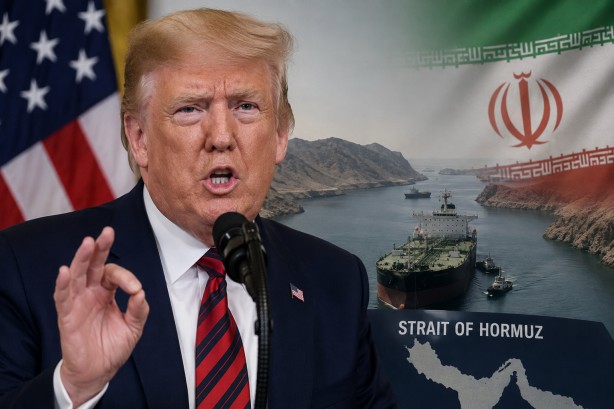
Iran has issued a stern warning to Gulf states, stating that any new military action by the United States on its soil would prompt retaliatory strikes on crucial energy infrastructure throughout the Gulf region. This development, according to sources familiar with the diplomatic exchanges, follows discussions between Iranian Foreign Minister Abbas Araqchi and senior officials from neighboring countries, including Saudi Arabia, Qatar, Turkey, and Pakistan. Iran is urging these regional players to discourage Washington from further military interventions.
The heightened tensions come in the wake of US President Donald Trump’s recent pronouncements threatening Iran’s energy facilities. Iran, while emphasizing diplomacy as its preferred approach, has made it clear that it stands ready to respond if provoked by any military attacks. This message has not gone unnoticed by Saudi Arabia, which has advised the US to favor negotiations over conflict escalation. The kingdom has also asserted its readiness to defend against any aggression targeting its territory.
Iran’s warnings entail possible attacks on vital energy sites, including oil facilities and refineries, as well as essential infrastructure like power grids, water systems, transport networks, and oil fields, should US strikes occur. These threats underscore the widespread anxiety that renewed hostilities could severely impact Gulf energy supplies, leading to heightened regional instability.
Meanwhile, regional leaders are consistently advocating for diplomatic solutions to avert a broader conflict that could endanger global energy markets. The situation highlights the delicate balance of power and the critical need for continued diplomatic engagement to maintain peace and stability in a region pivotal to global energy security.