
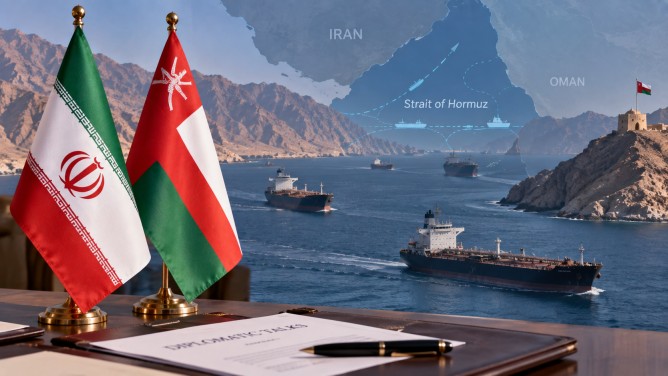
The anticipated meeting involving Iran, Oman, and other Gulf nations to discuss new shipping protocols through the Strait of Hormuz has been delayed, with no new date set. Originally planned for Muscat, the discussions were to address regional security and explore a joint Iran-Oman initiative for managing commercial navigation through this critical maritime corridor. The postponement, according to Oman’s Foreign Minister Badr Albusaidi, aims to foster consensus among the parties involved. Iran concurred, stating the decision was made in conjunction with Oman following requests from several neighboring countries.
This delay follows an incident where an Iranian commercial vessel was reportedly attacked near Qeshm Island, resulting in one fatality and injuries to four crew members, as reported by Iranian state media. The maritime authorities noted that a projectile struck the vessel while it was traversing the Strait of Hormuz, leading to a fire and subsequent evacuation of the crew. Recently, Iran and Oman had engaged in dialogue about alternative shipping routes through the Strait. The proposed system would have inbound vessels to the Persian Gulf navigating Iranian waters, while outbound traffic would utilize both Iranian and Omani waters.
Nevertheless, Iran maintains that any reopening of the Strait of Hormuz hinges on fulfilling its stipulated conditions, and Tehran has suggested that it could levy fees on vessels using these proposed routes. The ongoing interruption of commercial traffic through the Strait, a vital artery for global oil shipments, remains a pressing issue for the international energy markets. This situation is compounded by broader diplomatic strains in the Gulf, with Saudi Arabia reportedly advocating for alterations to the Iran-Oman proposal, and Bahrain indicating its non-participation in the meeting.
The uncertainty surrounding the Strait of Hormuz has contributed to a rise in oil prices. Compounding these tensions, Saudi Arabia continues to keep its extensive 1,200-kilometer East-West oil pipeline closed following drone attacks, which limits an alternative means for transporting crude oil to the Red Sea. A prolonged closure of this pipeline could jeopardize a substantial portion of the global oil supply, exacerbating the disruptions already caused by the reduced shipping through the Strait of Hormuz. Amid these escalating regional tensions, Brent crude prices have surged past $100 a barrel.